
India is adopting a two-pronged strategy for artificial intelligence development, focusing on open-source models and indigenous innovation to counter global access restrictions on advanced AI technologies. The government aims to support local developers and ensure AI creates tangible economic impact across various sectors, rather than being solely driven by market speculation.

Indian benchmark indices Sensex and Nifty saw a significant rebound in early trade, driven by a sharp decline in crude oil prices and easing geopolitical tensions in the West Asia, which improved market sentiment and reduced inflation fears. Track Sensex, Nifty on July 27.

An AIIMS study reveals that yoga can increase a user's chances of quitting tobacco by approximately 50 per cent.

The Indian corporate bond market witnessed a significant surge, with companies raising nearly Rs 16,000 crore in a single day, primarily led by state-owned financial institutions and NBFCs. This strong momentum, driven by improved borrowing conditions and investor confidence, is expected to persist.
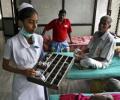
A new study published in The Lancet Public Health journal reveals that almost all countries are overusing 'watch' class antibiotics, which are stronger drugs meant for specific conditions and contribute significantly to antibiotic resistance. The research developed a framework to assess appropriate antibiotic use and found that while many countries overuse antibiotics, particularly the 'watch' category, some also underuse 'reserve' antibiotics, potentially leaving patients with drug-resistant infections untreated. The study highlights a global inequality where lower-income countries need more specialised antibiotics but higher-income countries use them more.

TVS Motor Company reported a significant 56.8 per cent year-on-year increase in net profit to 1,036 crore in Q1FY27, driven by record sales volumes, an improved product mix, and robust demand in both domestic and international markets, with management anticipating continued double-digit industry growth.

Jamshedpur FC has announced its withdrawal from the Indian Super League (ISL) starting from the 2026-27 season, hours after missing a payment deadline. The club stated its commitment to promoting and developing football at the grassroots level in India. This comes amidst a new agreement between AIFF and ISL clubs for a club-led model of the league.

Shares of major private lenders, including HDFC Bank, Axis Bank, and Kotak Mahindra Bank, experienced a sharp selloff after their June-quarter results indicated persistent pressure on net interest margins (NIMs), despite healthy credit growth. This decline overshadowed gains in ICICI Bank and Punjab National Bank (PNB), which reported resilient or stronger-than-expected earnings.

Torrent Pharma has emerged as a top sectoral pick for brokerages, driven by healthy growth in India revenues and improved gross margins, leading to a 44 per cent stock return over the past year.

The CBI has filed a charge sheet in the NEET-UG 2026 paper leak case, relying heavily on digital forensic evidence including an access control app and call data records. The investigation revealed that three NTA subject experts allegedly exploited procedural gaps to leak confidential questions for money, involving a beautician and a coaching centre owner in the distribution of the leaked material to aspirants.

Indian benchmark indices Sensex and Nifty extended their losses for the fourth consecutive session, with the Sensex declining 363.66 points and the Nifty dipping 126.65 points, primarily due to a sharp jump in Brent crude oil prices to USD 98.32 per barrel amid escalating tensions in West Asia.
Homegrown pharma major Cipla Ltd reported a 39 per cent decline in consolidated net profit to Rs 785.55 crore in the first quarter ended June 2026, primarily due to a dip in sales in the North American market and higher expenses.

HCLTech, India's third-largest IT services company, announced plans to establish a global technology centre and an AI-optimised data centre in Bhubaneswar, Odisha, with a total investment of approximately Rs 15,000 crore, marking its entry into the AI infrastructure business.

Following her Commonwealth Games 2026 gold medal win, Indian boxer Preeti Pawar reflected on the learning experience that the event gave her ahead of the Asian Games this year and the Los Angeles 2028 Olympics, the boxing culture in her hometown Bhiwani, known as 'Mini Cuba' for producing world-class talent and the fulfillment of her baklava promise after her medal win in Glasgow.

Indian Hotels Company (IHCL) reported a 20.8 per cent year-on-year rise in net profit for Q1 FY27, reaching 357.9 crore, despite macroeconomic headwinds like geopolitical tensions in West Asia impacting international travel and airline catering business.
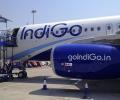
IndiGo, India's largest airline, reported a net loss of Rs 238 crore for the June quarter, primarily attributed to a significant surge in fuel prices and operational constraints stemming from the West Asia conflict.

AAP chief Arvind Kejriwal is leading a march to the Prime Minister's residence to submit a petition with two lakh signatures against E20 petrol. He is demanding consumer choice, lower E20 prices, and transparency regarding studies supporting the fuel. The government defends the E20 programme, citing energy security and no evidence of vehicle harm.

Jan Suraaj Party founder Prashant Kishor secured a significant victory in the Bankipur assembly bypoll, defeating the BJP candidate by over 19,000 votes. Kishor attributed his win to support from disgruntled members of major parties and potentially Gen Z protests, while firmly rejecting any future political alliances. He claimed the mandate was a wake-up call for the BJP-led government in Bihar and its Chief Minister Samrat Choudhary, giving his party its maiden presence in the state assembly.
Indian benchmark indices, Sensex and Nifty, experienced declines in early trade due to a significant surge in crude oil prices, exacerbated by escalating tensions in the West Asia. Track how Sensex, Nifty fared on July 23.

India's net direct tax collections have surged by 16.4 per cent year-on-year to 6.51 trillion as of July 13, primarily driven by robust growth in corporate tax receipts, according to provisional data from the Central Board of Direct Taxes (CBDT).

The southwest monsoon has advanced across northern Indian states, leading to widespread rainfall, waterlogging, road blockages, and rain-related deaths, particularly in Himachal Pradesh and Rajasthan. The Centre is monitoring the situation, especially concerning potential drought conditions in some areas due to the El Nino effect.

'The share of the private sector is at its all-time high of around Rs 42,000 crore in FY26, reflecting its expanding role in the defence ecosystem.'
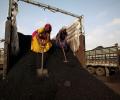
India's eight core infrastructure sectors experienced a significant slowdown in production growth, reaching a seven-month low of 0.5 per cent in May, primarily driven by negative growth in coal, crude oil, and refinery products.

The United States and India are on the verge of finalising a landmark bilateral trade deal, aiming to boost trade to USD 500 billion by 2030, according to US Deputy Assistant Secretary of State Bethany Poulos Morrison. The agreement seeks to open India's 1.4 billion-strong market to American goods on reciprocal terms, with ongoing high-level discussions to recalibrate the pact after recent changes in US tariff policy.

Electronics manufacturing leader Foxconn has injected USD 37.2 million into its Indian subsidiary, Foxconn Hon Hai Technology India Mega Development Private Limited, increasing its stake to nearly 100 per cent. This investment reinforces Foxconn's commitment to iPhone manufacturing in India.

The initial public offer (IPO) of SBI Funds Management Ltd was fully subscribed on the second day of bidding, receiving bids for 1.17 times the shares on offer, with strong interest from non-institutional investors and anchor investors.

India's wholesale price inflation (WPI) increased to 9.87 per cent in June, up from 9.68 per cent in May, primarily due to significant price increases in non-food and food products, with food inflation alone rising to 5.49 per cent.

Selected students will receive Rs 1.5 lakh per year to cover academic expenses such as tuition fees, hostel charges, books, stationery, laptops, internet and transportation.

Reliance Industries Ltd reported a 22 per cent year-on-year decline in consolidated net profit for the June quarter, primarily because the previous year's earnings were inflated by a one-time gain from the sale of its stake in Asian Paints.
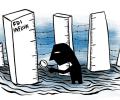
India's net foreign direct investment (FDI) surged more than fourfold to $6.58 billion in April 2026, driven by a significant increase in equity inflows and reduced repatriation by foreign investors, according to the Reserve Bank of India (RBI).
India's retail inflation rose to 4.38 per cent in June, driven primarily by costlier food items, pushing it above the Reserve Bank of India's median target of 4 per cent for the first time under the new series.

Political strategist-turned-politician Prashant Kishor's Jan Suraaj Party has secured its first seat in the Bihar Assembly, with Kishor winning the Bankipur bypoll in his electoral debut, stunning the BJP in its long-held bastion.
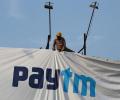
Mobile payments pioneer Paytm reported significant growth in its UPI payments business for Q1 FY27, driven by app simplification, AI investments, and a focus on attracting Gen Z customers. The company saw a 45% year-on-year increase in Consumer UPI Gross Transaction Value and a rise of 60 lakh in Monthly Transacting Users, outpacing the industry. Paytm's strategy prioritises customer retention and product innovation, leading to a profitable quarter with strong revenue and EBITDA growth, further supported by AI-led operational efficiencies and an India-focused language model.

India is projected to attract between $80 and $85 billion through the Reserve Bank of India's (RBI) concessional swap facility, designed to boost foreign currency inflows, according to an SBI research report.

Dr Reddy's Laboratories reported a 68.7 per cent year-on-year decline in consolidated net profit to Rs 443.5 crore in Q1 FY27, primarily due to the end of its lenalidomide sales agreement, a Rs 240-crore provision for semaglutide API inventory quality issues, and elevated freight costs.

'We may be able to wind back some of the schedule reductions we'd taken in recent months.'

The heavy rains that have battered Kerala since August 1 have claimed 25 lives, left four people missing, injured 10 and damaged hundreds of properties, forcing thousands to seek shelter in relief camps, the state government said on Tuesday.

As the rupee weakens, wealthy families are accelerating investments in global assets.

Wipro's net profit in the first quarter saw minimal growth, rising less than one per cent to 3,352 crore, while revenue increased by 10.6 per cent to 24,480 crore. The IT services segment, a key metric, grew by only one per cent year-on-year, falling short of analyst estimates amidst a challenging demand environment and longer decision cycles from clients.

In cities where women own a larger share of small businesses, women also account for a larger share of jobs.
